Our Destinations

Botswana

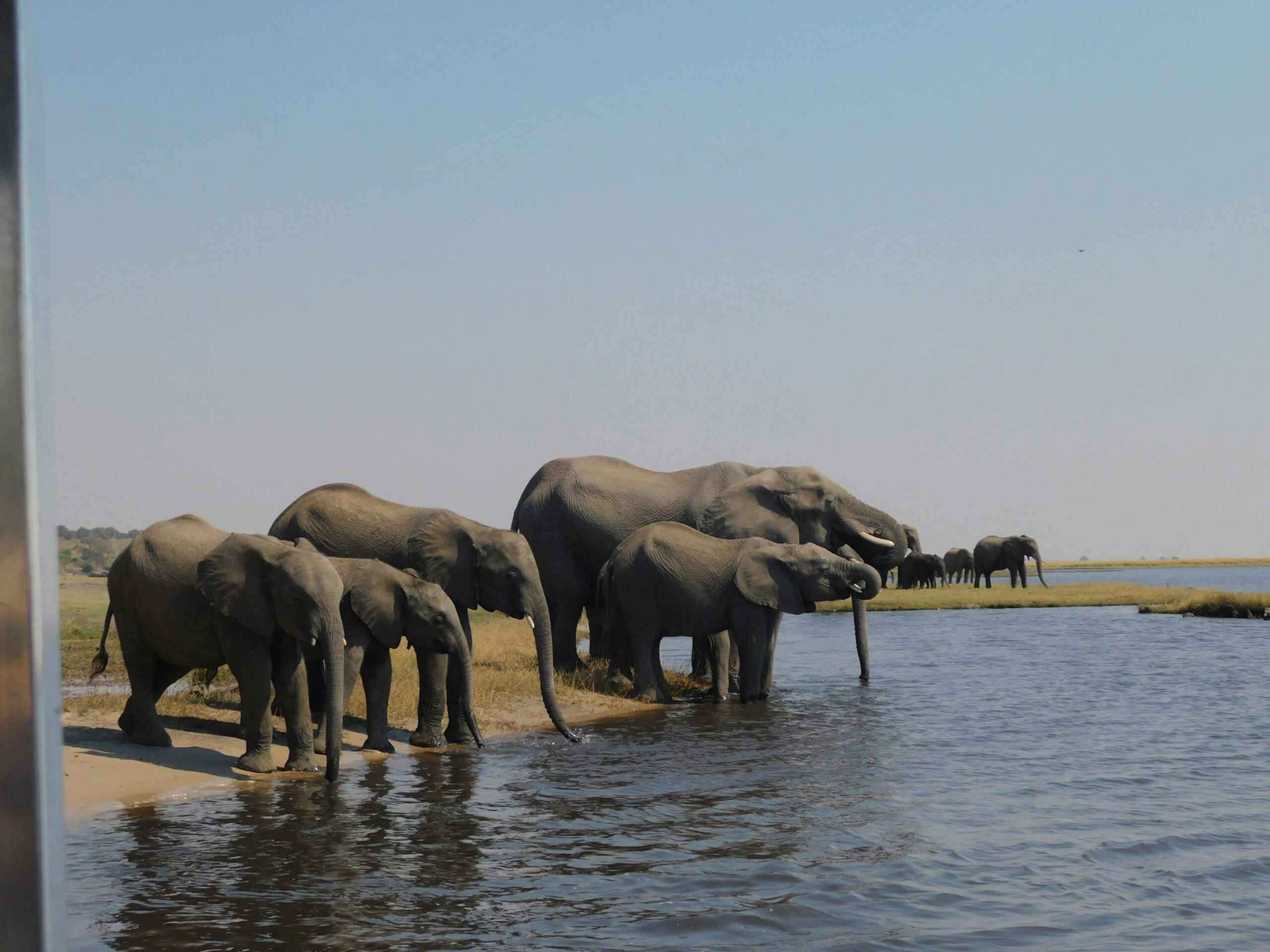
Botswana’s journey is a testament to visionary leadership, a harmonious evolution from ancient African cultures to a modern democracy built upon the wise stewardship of its resources. After its past as the Bechuanaland Protectorate, an independent Botswana channeled its diamond revenues into nation building, fostering remarkable growth and stability. While navigating contemporary challenges, it stands as a shining example of democratic resilience. Running parallel is an equally triumphant narrative of conservation. In Botswana, wilderness reigns supreme. Its globally celebrated philosophy of unfenced spaces allows animals to roam vast wild tracts within unique ecosystems such as the Okavango Delta, Chobe National Park, the Makgadikgadi Pans, and the Kalahari Desert.

Zambia
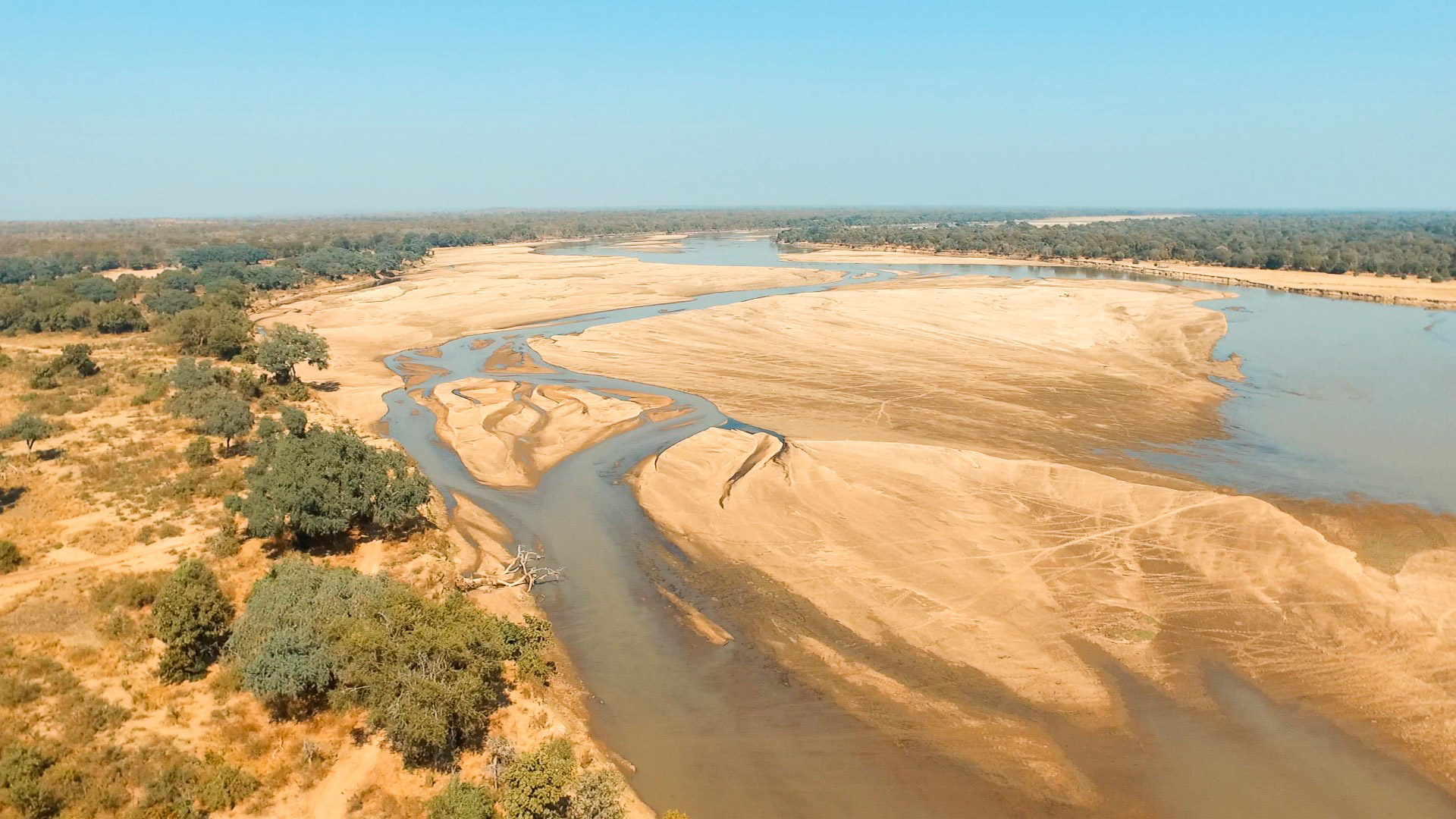
Answer the call of true adventure in Zambia, the birthplace of the walking safari. This country is made for those who wish to step out of the vehicle and enter a world of wild and intimate encounters with wildlife, exploring protected parks that remain in a state of pristine purity. Its spectacular landscapes, abundant wildlife, and preserved parks offer exceptional, high quality safaris.

South Luangwa

Established in 1972 and spanning an impressive 9,050 km², South Luangwa is one of Zambia's largest parks. Nestled at the tail end of East Africa's Great Rift Valley, this ancient low-lying landscape is shaped by the majestic, meandering Luangwa River – a lifeline for incredible wildlife. The park is famous for its endemic species, including Thornicroft's giraffe, Crawshay's zebra, and Cookson's wildebeest. You'll also find healthy populations of wild dogs, hippos, antelope, crocodiles, hyenas, and countless unique birds. Fun fact: the very first walking safaris were pioneered right here in the South Luangwa Valley by Norman Carr in the 1950s.

Lower Zambezi

Though rapidly developing in popularity as wildlife bounces back, the park's true beauty lies in its untouched wilderness. Stretching across 4,092 km², most of the game is concentrated along the valley floor – offering spectacular opportunities to get close to animals wandering in and out of the Zambezi's channels. Lying opposite Zimbabwe's famous Mana Pools National Park, both sides of the river form a massive wildlife sanctuary. Picture thick riverine forests of ebony and fig trees, floodplains fringed with mopane, winterthorn trees, giant acacias, and rolling hills covered in broadleaf woodland. Enormous herds of elephant – some up to a hundred strong – are often seen at the water's edge, along with "island hopping" buffalo and waterbuck.

Kafue

Established in 1924, Kafue is Zambia’s oldest and largest national park, covering an astonishing 22,400 km². Yet it remains one of Africa’s best-kept secrets. The landscape is breathtakingly diverse: open plains, vast Miombo woodlands, and in the north, the Zambezian flooded grasslands – home to the famous Busanga Swamps. Here, herbivores and predators thrive year-round, creating a game-viewing paradise. Kafue boasts four of the Big Five, including lions, leopards, and the elusive cheetah – a rarity elsewhere in Zambia. It’s also one of Africa’s premier leopard-watching destinations. Most impressively, Kafue has the largest population of African wild dogs of any national park on the continent.

Zimbabwe

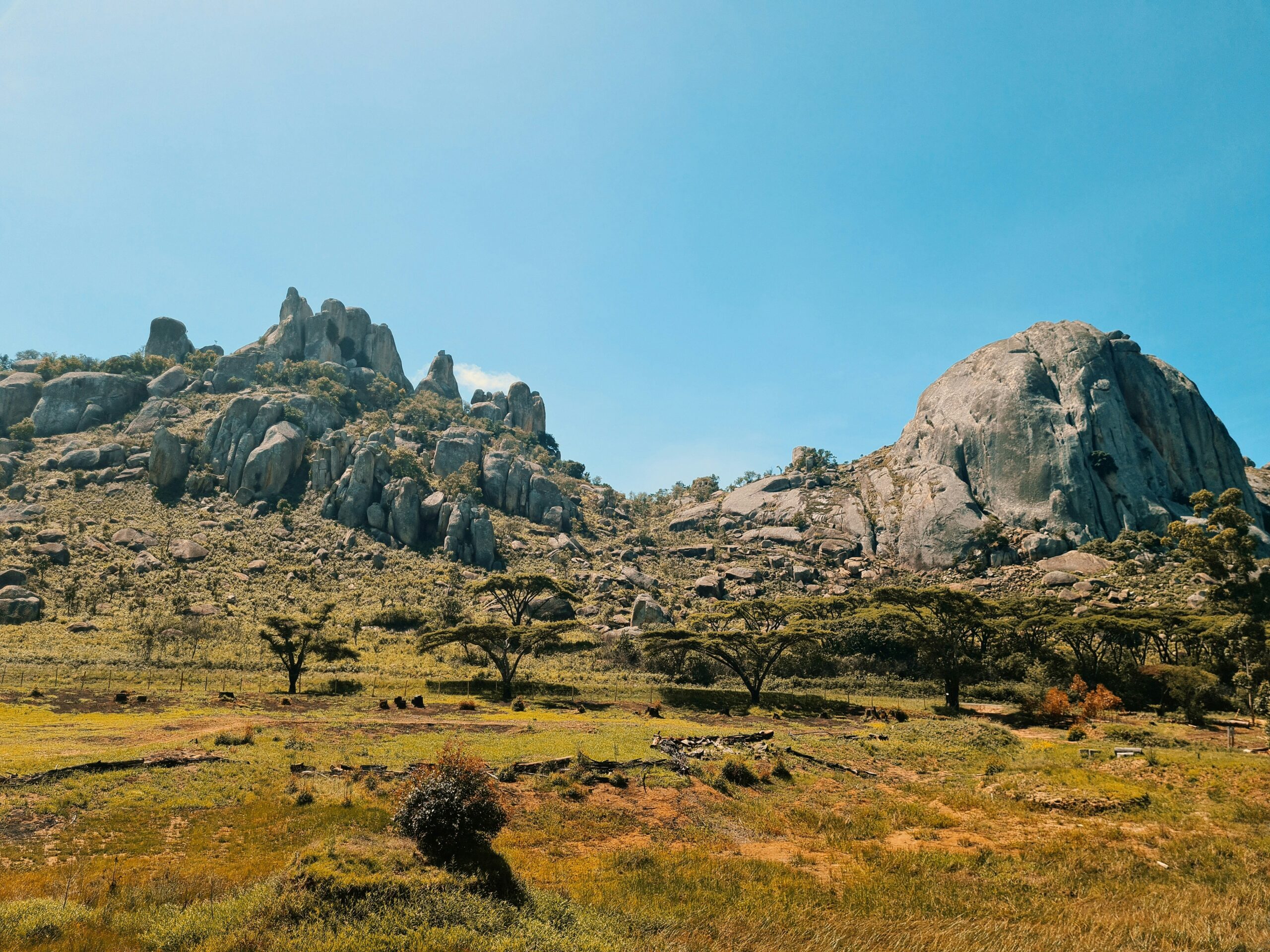
Zimbabwe holds a unique place in Southern Africa, a destination defined by breathtaking diversity, legendary guiding expertise, and authentic human encounters. Here, wildlife experiences are elevated by the country’s most precious resource: its people. Inland, the landscape transforms into a world of ancient granite kopjes, lush forests, and vast highlands. Hwange National Park offers wildlife rich safaris guided with exceptional skill. Here, vast herds of elephants and buffalo roam across remarkably varied terrain, from Kalahari sands to mopane woodlands and valleys. Further north, the UNESCO World Heritage site of Mana Pools reveals wilderness beauty in its purest form, and of course, the Zambezi River, which sets the rhythm of life in the country.

Victoria Falls

The unique site of Victoria Falls, where the Zambezi River flows off a cliff and falls into the Marmite, before crossing a series of gorges, is breath taking. The Zambezi, whose existence is known from the Middle Ages Age, was first explored by a European, David Livingstone, between 1851 and 1853. It was only during his second trip, in 1855, that he discovered the largest waterfalls in the world, which he named Victoria, in homage to the Queen of England at the time.

Hwange

Hwange, a park created in 1928 by Ted Davison, a young ranger, first a game reserve, it became a national park in 1930. He dedicate 30 years to the development of the park. Now, with 1.4 million hectares, Hwange National Park is the largest in Zimbabwe and one of the best known in Africa due to its elephant population estimated at about 40,000. The park has a variety of landscapes, forests, meadows, due to the low rainfall water points have been created allowing animals to drink. The park has 107 species including black rhinos, it is also one of the last major sanctuaries for African elephants and buffaloes.

Gwai River

The name Gwai is derived from the Ndebele word meaning tobacco The Gwayi River is a waterway located in the heart of Zimbabwe. It is known for its tranquil natural and virgin environment,. The Gwayi River is home to a variety of animals typical of the region, including elephants, hippos, crocodiles and various antelopes such as waterbuck. The river and its ecosystems are home to species such as African buffalo, lions, leopards and a large variety of birds.

Zambezi River

The Zambezi, if the existence of the river is known since the Middle Ages, the first European to explore the Zambezi was David Livingstone between 1851 and 1853. It was only on his second trip, in 1855, that he discovered the largest falls in the world, which he named Victoria, in homage to the Queen of England at the time.

Msuna

Msuna Island, located in the middle Zambezi River between Deka and Mlibizi in Zimbabwe, is a renowned, secluded fishing resort popular for tiger fishing, birding, and boating.

Mana Pools

Mana Pools National Park is a UNESCO World Heritage Site located in northern Zimbabwe along the Zambezi River. The name "Mana" means "four" in Shona, referencing the four large permanent pools; Green Pool, Chisasiko, Chine, and Long Pool; formed by the river's changing course. During the dry season as inland water sources dry up, massive herds of elephants, buffaloes, and predators congregate around the Zambezi River and remaining pools. On top of the traditional Game drive, you can enjoy Walking Safaris to track animals on foot under the canopy of ancient mahogany and albida trees, or drift in you canoe along the Zambezi River channels past pods of hippos and basking crocodiles.

Kariba

Lake Kariba is the world's largest man-made lake and reservoir by volume. It floods the Kariba Gorge on the Zambezi River along the border between Zimbabwe and Zambia. The Dam Wall: Completed in 1959, the double-curvature concrete arch wall stands 128 metres tall and spans 617 metres across. It provides vital hydroelectric power to both countries through local utilities managed by the Zambezi River Authority. Local Tonga traditions say the Nyami Nyami (the Zambezi River God) lives in these waters. He allegedly caused massive floods during dam construction to show anger over being separated from his wife.

Namibia

Prepare to be captivated by Namibia, a land of breathtaking natural beauty and vast, silent expanses that feel both staggering and wonderfully wild. These unique landscapes protect the living heritage of ancient cultures. Here you will encounter the Himba, the semi nomadic people of the northern rocky plains, and the San people, whose history on the Kalahari plains spans millennia. Explore a timeless realm, from the Etosha Pan, the Kaokoveld, and the Huab to the legendary Skeleton Coast. Feel the essence of a land sculpted from stone and dust, inhabited by communities shaped by aridity and enlivened by oryx and the iconic quiver trees.

Kavango (caprivi)

Bordered by Angola, Zambia, and Botswana, this lush strip of land is a true African experience. Permanent water and year-round green vegetation set it apart from the rest of Namibia. Watch massive herds of elephants and buffalo migrate safely through several national parks. Travel through authentic local villages and witness wildlife moving freely between countries.

Sossusvlei

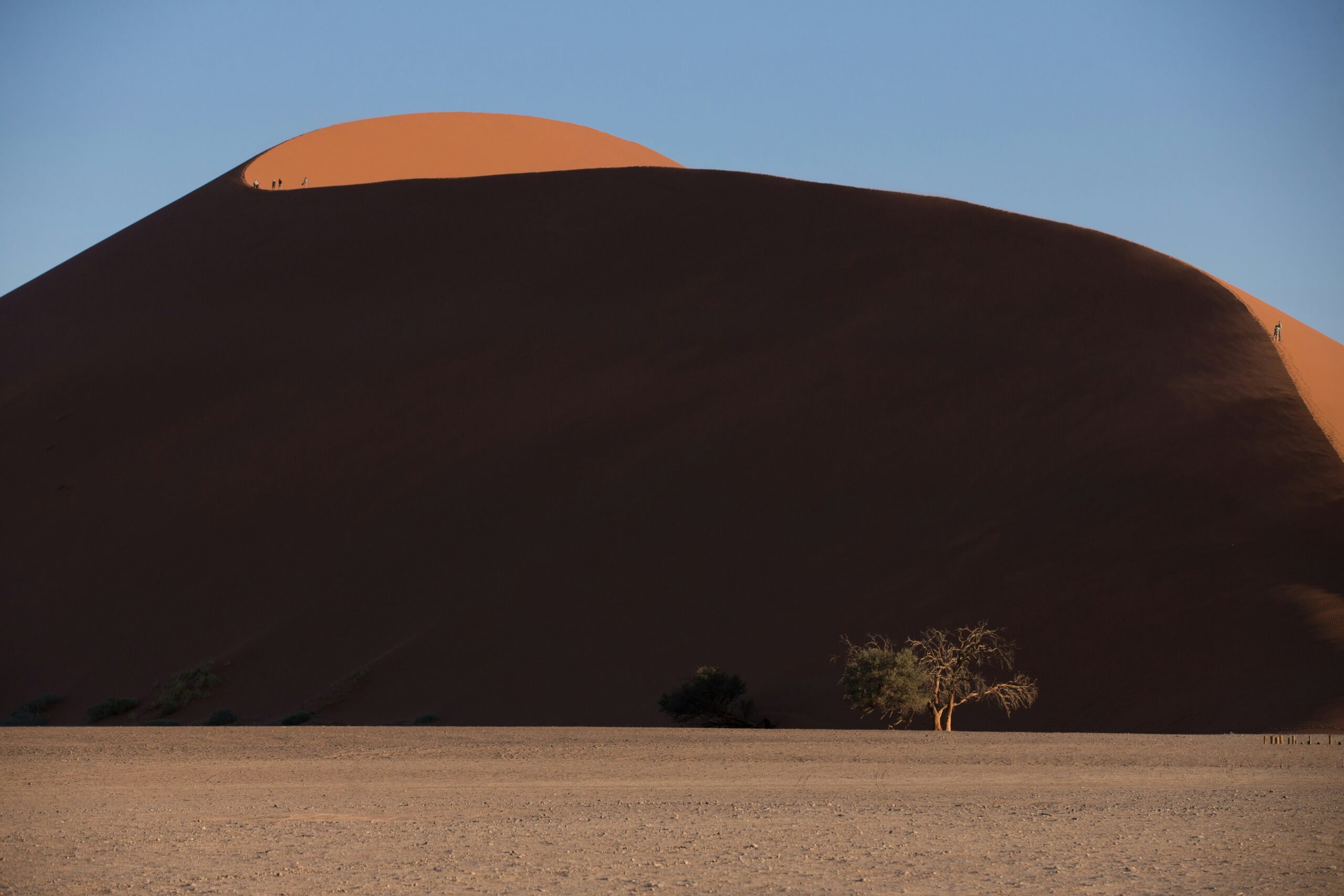
Located in Africa’s largest conservation area, the Namib-Naukluft National Park, Sossusvlei is a stunning salt and clay marsh surrounded by some of the tallest red sand dunes in the world. The name means "dead-end swamp" – and for good reason. Here, the mighty dunes meet, stopping the Tsauchab River in its tracks. On rare occasions after heavy rain, the ancient pan fills with water, transforming into a breathtaking desert lake. From the famous Dune 45 to the hauntingly beautiful Deadvlei, Sossusvlei is one of Namibia’s most visited attractions – and once you see it, you’ll understand why.

Etosha

Located in Namibia's Kunene region, 400 km north of Windhoek and just 125 km from the Angolan border, Etosha is a truly extraordinary wildlife destination. First established as a hunting reserve in 1907 during German colonial times, it originally spanned an incredible 93,240 km². Today, Etosha covers 22,935 km² – of which only a third is open to visitors, making every game drive feel intimate and exclusive. Despite its dry landscape, Etosha revolves around a vast salt pan that draws spectacular wildlife right to you. Expect unforgettable sightings of elephants, lions, rhinos, and more gathering at floodlit waterholes.

Damaraland

Nestled between the Skeleton Coast, the Namibian Desert, and Etosha National Park, Damaraland offers spectacular landscapes and wildlife found nowhere else on earth. Think granite mountains, vast desert plains, and breathtaking rock formations. This arid wonderland is surprisingly rich in animal life – spot desert elephants, black rhinos, oryx, ostriches, leopards, and more. Don't miss Twyfelfontein, an open-air rock art gallery where some engravings date back 6,000 years.

Swakopmund

The story begins in 1487, when Portuguese sailor Bartholomew Diaz landed at Cape Cross. Centuries later, Swakopmund rose as a vital port during Germany's colonial era – despite shallow waters, fierce waves, and no natural lagoon. To overcome these challenges, an artificial harbor was built at great cost. A wooden pier arrived in 1902, replaced by an iron one in 1912. Today, the remains of that historic pier still stand – and since 2010, you can enjoy fresh oysters at the charming jetty bar. Geographically, Swakopmund sits dramatically between dunes and desert, near the mouth of the Swakop River. It once supplied an entire colony. Now, it invites you to explore its unique past and stunning surroundings.
Scroll to Top